

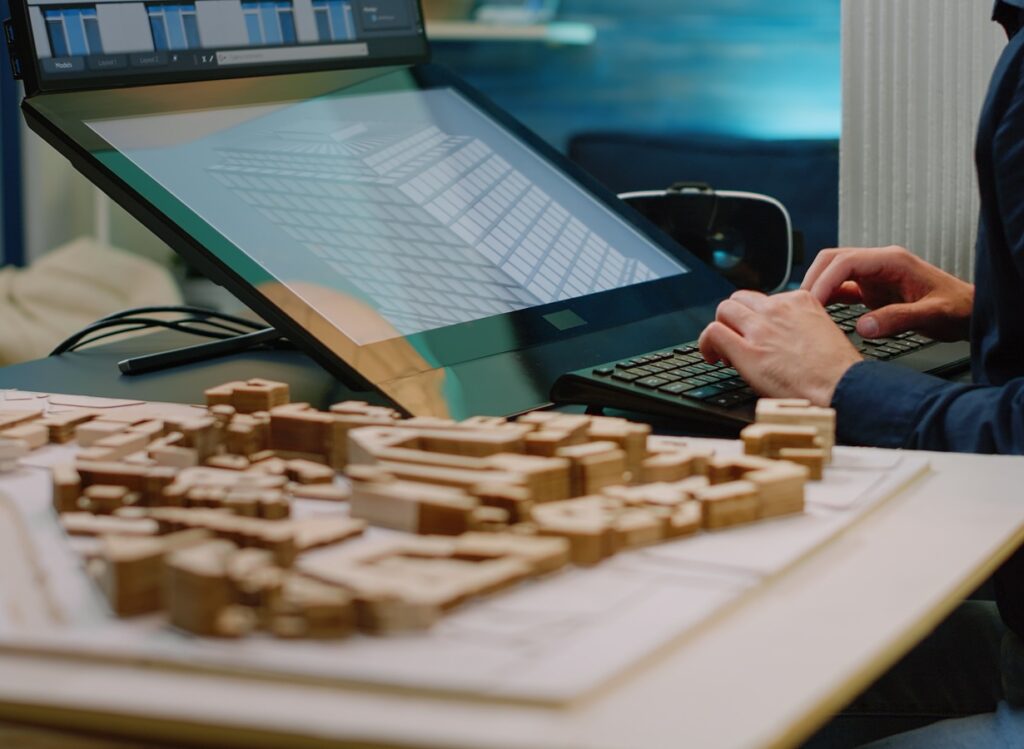
Software courses we offer
NLB Company helps designers, engineers, architects, and BIM specialists master professional software tools. We focus on what is actually used in projects: workflows, modeling, documentation, coordination, and standards.
Our courses are practice-oriented: participants work in real software environments, analyze common mistakes, and complete tasks they encounter daily on projects. Training is tailored to the company’s specific needs and adapted to the skill level of the team.
Software courses we offer
NLB Company helps designers, engineers, architects, and BIM specialists master professional software tools. We focus on what is actually used in projects: workflows, modeling, documentation, coordination, and standards.
Our courses are practice-oriented: participants work in real software environments, analyze common mistakes, and complete tasks they encounter daily on projects. Training is tailored to the company’s specific needs and adapted to the skill level of the team.

Revit is used for full BIM-based design.
The course teaches how to create building models, produce working documentation, work with families, manage parameters, and ensure data consistency among project participants.
AutoCAD remains a primary tool for classical 2D/3D design.
The course covers drawing creation, documentation layout, working with layers, blocks, templates, and preparing files for handover to contractors and clients.
Civil 3D is used for infrastructure design, including roads, sites, networks, and utilities.
The course covers surfaces, corridors, profiles, earthwork calculations, automation of schedules, and production of engineering documentation.
Revit is used for full BIM-based design.
The course teaches how to create building models, produce working documentation, work with families, manage parameters, and ensure data consistency among project participants.
AutoCAD remains a primary tool for classical 2D/3D design.
The course covers drawing creation, documentation layout, working with layers, blocks, templates, and preparing files for handover to contractors and clients.
Civil 3D is used for infrastructure design, including roads, sites, networks, and utilities.
The course covers surfaces, corridors, profiles, earthwork calculations, automation of schedules, and production of engineering documentation.
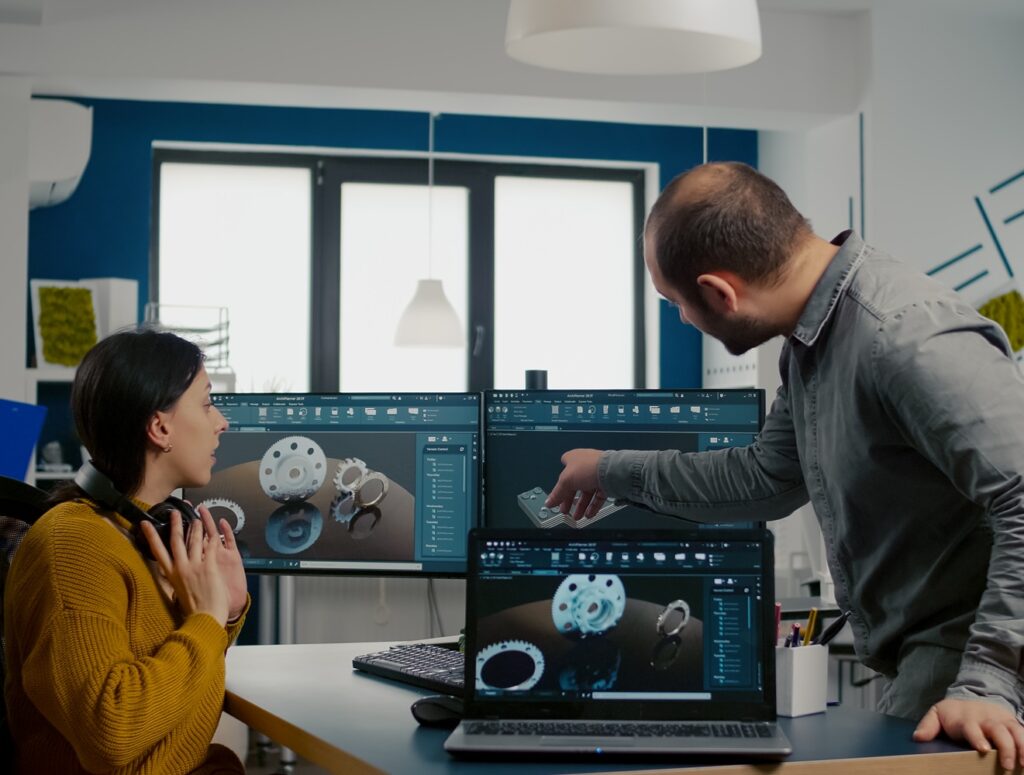
This course is aimed at architects and visualization specialists.
Participants learn to create realistic renders, work with lighting and materials, model objects, and prepare visual materials for presentations and approvals.
Inventor is used for designing mechanical products and steel structures.
The course covers parametric modeling, assembly creation, specification preparation, and production of engineering documentation.
The Plant 3D course focuses on designing industrial facilities, including pipelines, process lines, and equipment.
Students learn P&ID creation, 3D modeling, isometrics, specifications, and material schedules.
This course is aimed at architects and visualization specialists.
Participants learn to create realistic renders, work with lighting and materials, model objects, and prepare visual materials for presentations and approvals.
Inventor is used for designing mechanical products and steel structures.
The course covers parametric modeling, assembly creation, specification preparation, and production of engineering documentation.
The Plant 3D course focuses on designing industrial facilities, including pipelines, process lines, and equipment.
Students learn P&ID creation, 3D modeling, isometrics, specifications, and material schedules.
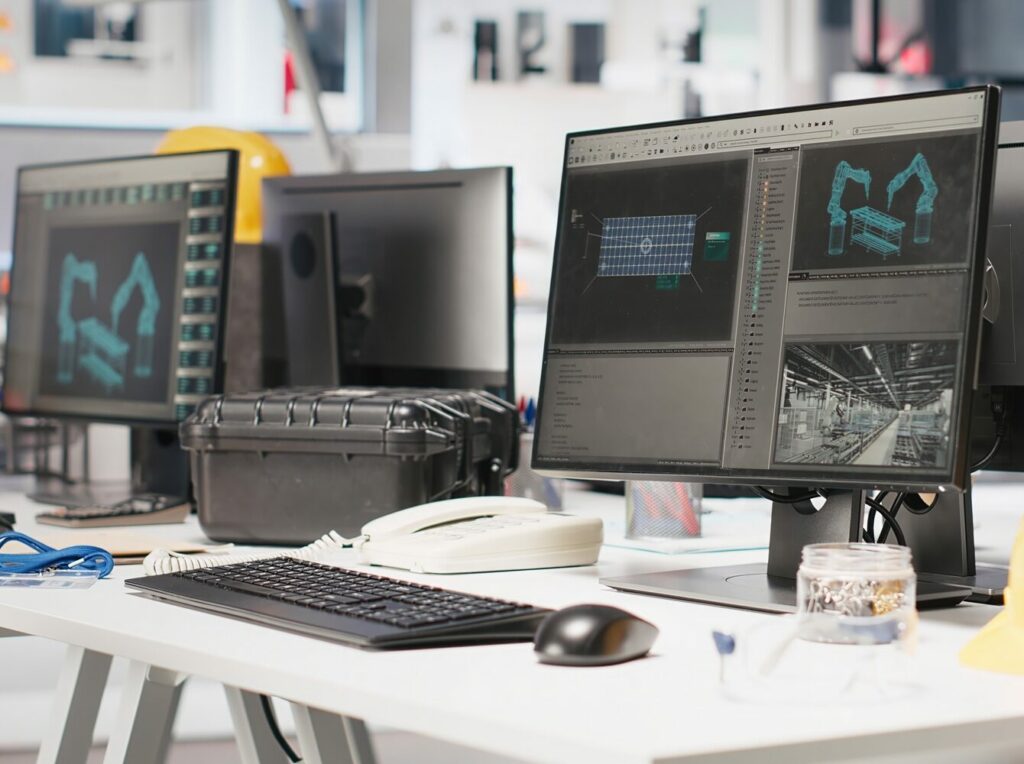
This course focuses on electrical engineering design.
Participants learn to create electrical schematics, automate numbering and connections, work with symbol libraries, and produce documentation.
Navisworks is used for combining models, performing clash detection, and preparing consolidated BIM models.
The course covers 4D modeling, working with overrides, quality control, and preparing reports for contractors and clients.
This program is designed for professionals responsible for administering BIM projects.
Topics include project structure, templates, standards, libraries, task automation, model checking, working in CDE platforms, and information quality control.
This course focuses on electrical engineering design.
Participants learn to create electrical schematics, automate numbering and connections, work with symbol libraries, and produce documentation.
Navisworks is used for combining models, performing clash detection, and preparing consolidated BIM models.
The course covers 4D modeling, working with overrides, quality control, and preparing reports for contractors and clients.
This program is designed for professionals responsible for administering BIM projects.
Topics include project structure, templates, standards, libraries, task automation, model checking, working in CDE platforms, and information quality control.
Leave a request for a consultation